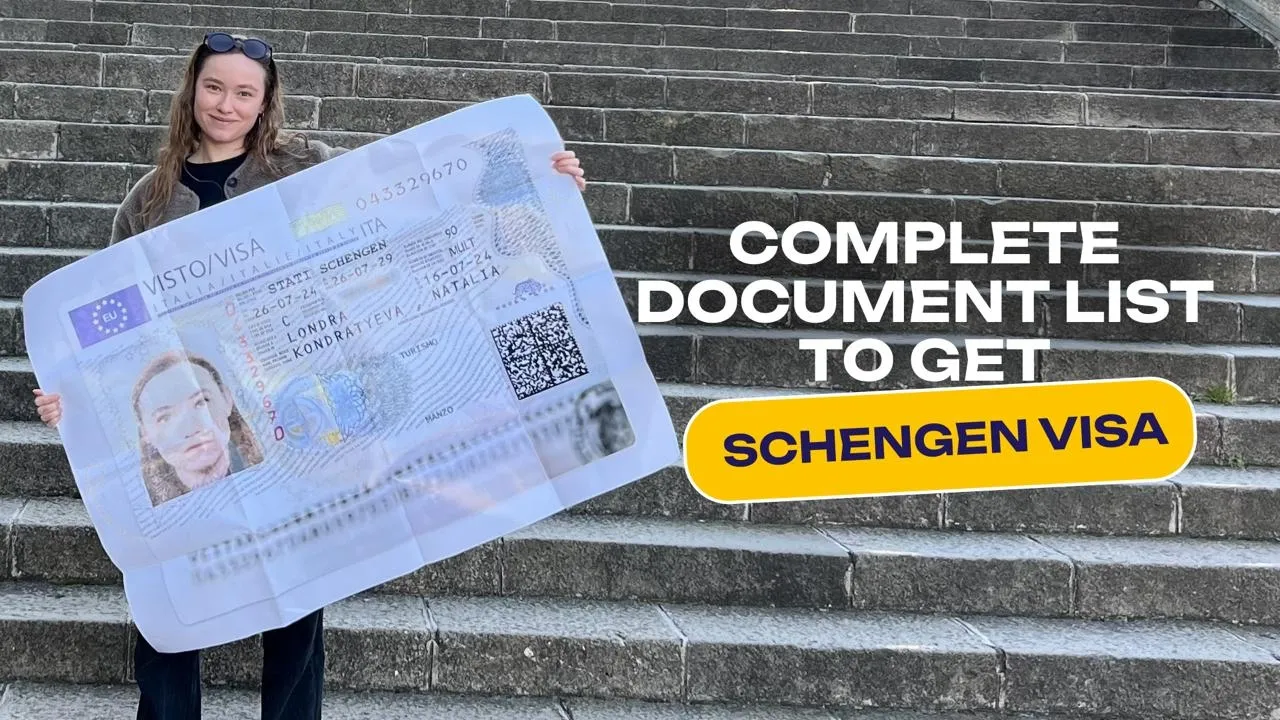

Schengen Visa Application Guide for UK Residents: Everything You Need to Know in 2026
Last updated: 7 August 2026. Requirements, fees, providers and representation arrangements can change; confirm the route-specific checklist linked in the official sources before submitting.
Planning a trip to Europe from the United Kingdom? If you hold a non-EU passport and reside in the UK, you'll need a Schengen visa to explore the 29 countries within the Schengen Area. This updated guide walks you through the complete application process for 2026, including the critical change from physical BRP cards to digital eVisa verification.
Important Note: This guide is for non-EU nationals living in the UK. British passport holders do not require a Schengen visa and can travel visa-free for up to 90 days within any 180-day period.

If the calendar keeps coming back empty, Visard watches it and messages you when Schengen visa appointment slots in the UK open.
Who Needs a Schengen Visa from the UK?
The Schengen visa requirement applies to UK residents whose nationality is not on the EU's visa-exempt list. This includes passport holders from:
India
Pakistan
Nigeria
China
Turkey
Russia
Bangladesh
Philippines
And many other countries
Your UK residence permit alone does not grant you entry to the Schengen Area. You must apply for a separate Schengen visa through the appropriate consulate or visa application centre.
Understanding Schengen Visa Categories
Before starting your application, determine which visa type matches your travel purpose:
Type C (Short-Stay Visa): The most common category, covering:
Tourism and leisure travel
Family and friend visits
Business meetings and conferences
Short-term educational courses
Cultural and sporting events
A Type C visa allows you to stay for a maximum of 90 days within any 180-day period. Multiple-entry visas can be issued for up to 5 years for frequent travellers.
Type A (Airport Transit Visa): Required by certain nationalities when transiting through a Schengen airport. This visa does not permit entry into the country itself.
Selecting the Correct Country for Your Application
Choosing the right country for your visa application is crucial. The rules are straightforward:
Single destination: Apply to that country's consulate
Multiple destinations: Apply to the country where you'll spend the most time
Equal time in multiple countries: Apply to the country you'll enter first
Getting this wrong can result in application rejection, so plan your itinerary carefully before booking your appointment.

Visa Application Centres Across the UK
Different Schengen countries use different service providers in the UK:
TLScontact handles applications for:
France, Germany, Switzerland, Belgium
Centres in London, Manchester, and Edinburgh
VFS Global processes visas for:
Italy, Netherlands, Austria, Croatia, Malta, Sweden, Finland, Norway, Denmark, Czech Republic, Greece, Portugal
Centres in London, Manchester, Edinburgh, Cardiff, and Belfast
BLS International manages:
Spain
Centres in London, Manchester, and Edinburgh

The 2026 Documentation Checklist
Watch Visard’s guide to the documents you need for a Schengen visa from the UK.
Critical Update: Digital Immigration Status
Physical BRP cards expired on 31 December 2024. This is the most significant change for 2026 applications.
You must now provide:
A Share Code generated from your UKVI online account
A printed copy of your immigration status page
Consulates will verify your eVisa status online using this code. Your digital immigration status must remain valid for at least 3 months beyond your planned return from the Schengen Area.
Passport Requirements
Your passport must:
Have been issued within the last 10 years
Remain valid for at least 3 months after your planned departure from the Schengen Area
Contain at least 2 blank visa pages
Financial Evidence
Demonstrate sufficient funds with:
Bank statements from the last 3 months (some countries require 6 months)
Minimum balance showing approximately €65-€100 per day of travel
Employment letter confirming your salary and position
Recent payslips (last 3 months)
If someone else is funding your trip, include a sponsor letter with their financial documents.
Travel Insurance
Your policy must provide:
Minimum coverage of €30,000
Emergency medical treatment
Hospital care
Repatriation in case of death
Validity across all Schengen member states (not just your destination)
Accommodation and Travel Bookings
Flights: A round-trip reservation is sufficient (you don't need to purchase tickets before visa approval)
Hotels: Booking confirmations from hotels or Airbnb are accepted
Staying with friends/family: You'll need an official accommodation letter from the host, typically obtained from their local municipality
Biometric Photograph
Supply two recent photos meeting ICAO standards:
Size: 35mm x 45mm
White background
Face covering 70-80% of the frame
Taken within the last 6 months
Visa Fees for 2026
The consular fees (set by the EU) are:
Adults: €90 (approximately £75-80)
Children aged 6-12: €45
Children under 6: Free
These fees were last increased on 11 June 2024 (a 12.5% rise) and remain current for 2026.
Service centre fees are charged separately and vary by country:
Country | Service Fee |
|---|---|
France | £35.21 |
Germany | £28.20 |
Netherlands | £15.10 |
Italy | £12.51 |
Portugal | £31.79 |
Belgium | £34.70 |
Austria | £28.80 |
Spain | ~£30 |
Service fees are non-refundable, regardless of whether your visa is approved.
Processing Times: What to Expect
Standard processing: 15 calendar days
Extended processing: Up to 45 days if additional checks are required
Peak season reality: During summer and Christmas periods, expect processing to take approximately 3 weeks
The bigger challenge in 2026 isn't processing time, it's securing an appointment in the first place.
The Appointment Booking Challenge
Here's what the official guidance doesn't tell you: appointment slots disappear within seconds.
VFS and TLS centres in London, Manchester, and Edinburgh operate at near-full capacity year-round. During peak travel seasons, finding an available slot through manual refreshing can take weeks of frustration.
You can apply for a Schengen visa up to 6 months before your travel date (9 months for seafarers), but popular time slots, especially at London centres, are claimed almost instantly when released.
How Visard Solves the Appointment Problem
Rather than spending hours refreshing appointment pages, a visa telegram bot like Visard automates the monitoring process:
24/7 monitoring: Checks appointment availability every 3 seconds
Instant notifications: Alerts you the moment a slot opens
Auto-booking option: Secures the appointment automatically before you even see the notification
For UK residents, Visard offers both notification and auto-booking services across 23 Schengen destinations including France, Germany, Italy, Spain, Portugal, Netherlands, and more.
Pricing:
Notifications: £35 (single country) or £65 (all countries)
Auto-booking: £100 for the first applicant, £50 for each additional family member
The auto-booking service operates on a pay-after-success model, you only pay once your appointment is confirmed.
Biometric Data Requirements
If you've applied for a Schengen visa in the past 59 months (approximately 5 years), your fingerprints are stored in the Visa Information System (VIS). Some consulates may allow postal applications if your biometrics are already on file.
However, consulates reserve the right to request fresh biometrics for any application. Children under 12 are exempt from fingerprint requirements.
Your Appointment Day
Arrive at your scheduled appointment with:
Completed visa application form
All supporting documents (originals and copies)
Passport
Share Code printout (replacing the old BRP)
Payment for visa and service fees
During the appointment, you'll:
Submit your application
Provide biometric data (fingerprints and photograph)
Pay the applicable fees
Receive a tracking number for your application
Tracking Your Application
After submission, monitor your application status online through the VFS, TLS, or BLS portal. You'll receive notification when your passport is ready for collection or delivery.
Entry/Exit System (EES) for 2026
The EU's Entry/Exit System is now operational. When you arrive at the Schengen border, you'll undergo:
Passport scanning
Fingerprint capture
Facial recognition
This digital system replaces passport stamps and automatically tracks your 90/180-day limit. Your Schengen visa grants you entry, but border authorities will verify your remaining days in the system.
Common Mistakes That Lead to Rejection
Avoid these frequent errors:
Expired or insufficient passport validity
Using old BRP card instead of Share Code (critical for 2026)
Inadequate financial proof
Insurance not covering all Schengen states
Applying to the wrong country
Inconsistent travel itinerary
Country-Specific Visa Guides and Resources
While this general guide covers the fundamentals, each Schengen country has specific nuances in their application process, documentation requirements, and processing times. Below are detailed guides for UK residents applying to individual Schengen destinations:
France Visa Guides
Italy Visa Guides
Spain Visa Guides
Portugal Visa Guides
Netherlands Visa Guides
Other Major Destinations
Nordic Countries
Central & Eastern Europe
Mediterranean & Baltic Countries
Struggling to Book Your Visa Appointment?
The documentation is straightforward once you understand it. The real bottleneck? Securing an appointment slot at VFS, TLS, or BLS centers.
If you've been refreshing appointment pages for days without success, Visard's automated appointment monitoring eliminates the manual search. Our system checks VFS Global, TLScontact, and BLS International centres every 3 seconds, 24/7.
Automated Appointment Services by Destination
Auto-booking available (appointments secured automatically):
Notification service available (instant alerts when slots appear):
How it works:
Choose your destination country
Enable 24/7 monitoring (checks every 3 seconds)
Receive instant Telegram alerts or automatic booking
Pay only after your appointment is confirmed (auto-booking service)
Final Thoughts
Applying for a Schengen visa from the UK requires careful preparation, but the process is straightforward once you understand the requirements. The most significant 2026 update is the shift to digital immigration status, ensure you have your Share Code ready before your appointment.
The real challenge isn't the paperwork; it's securing an appointment at your chosen visa centre. If you've been struggling with unavailable slots, consider using Visard's UK appointment monitoring service to automate the search and book your slot before peak season makes availability even scarcer.
Start your application early, gather your documents systematically, and you'll be exploring the Schengen Area before you know it.
Sources:
Applying on the same route from another country? Our guide to Schengen visa bot vs visa agencies covers the steps.
Schengen Visa Application Guide for UK Residents: Everything You Need to Know in 2026
Last updated: 7 August 2026. Requirements, fees, providers and representation arrangements can change; confirm the route-specific checklist linked in the official sources before submitting.
Planning a trip to Europe from the United Kingdom? If you hold a non-EU passport and reside in the UK, you'll need a Schengen visa to explore the 29 countries within the Schengen Area. This updated guide walks you through the complete application process for 2026, including the critical change from physical BRP cards to digital eVisa verification.
Important Note: This guide is for non-EU nationals living in the UK. British passport holders do not require a Schengen visa and can travel visa-free for up to 90 days within any 180-day period.
If the calendar keeps coming back empty, Visard watches it and messages you when Schengen visa appointment slots in the UK open.
Who Needs a Schengen Visa from the UK?
The Schengen visa requirement applies to UK residents whose nationality is not on the EU's visa-exempt list. This includes passport holders from:
India
Pakistan
Nigeria
China
Turkey
Russia
Bangladesh
Philippines
And many other countries
Your UK residence permit alone does not grant you entry to the Schengen Area. You must apply for a separate Schengen visa through the appropriate consulate or visa application centre.
Understanding Schengen Visa Categories
Before starting your application, determine which visa type matches your travel purpose:
Type C (Short-Stay Visa): The most common category, covering:
Tourism and leisure travel
Family and friend visits
Business meetings and conferences
Short-term educational courses
Cultural and sporting events
A Type C visa allows you to stay for a maximum of 90 days within any 180-day period. Multiple-entry visas can be issued for up to 5 years for frequent travellers.
Type A (Airport Transit Visa): Required by certain nationalities when transiting through a Schengen airport. This visa does not permit entry into the country itself.
Selecting the Correct Country for Your Application
Choosing the right country for your visa application is crucial. The rules are straightforward:
Single destination: Apply to that country's consulate
Multiple destinations: Apply to the country where you'll spend the most time
Equal time in multiple countries: Apply to the country you'll enter first
Getting this wrong can result in application rejection, so plan your itinerary carefully before booking your appointment.
Visa Application Centres Across the UK
Different Schengen countries use different service providers in the UK:
TLScontact handles applications for:
France, Germany, Switzerland, Belgium
Centres in London, Manchester, and Edinburgh
VFS Global processes visas for:
Italy, Netherlands, Austria, Croatia, Malta, Sweden, Finland, Norway, Denmark, Czech Republic, Greece, Portugal
Centres in London, Manchester, Edinburgh, Cardiff, and Belfast
BLS International manages:
Spain
Centres in London, Manchester, and Edinburgh
The 2026 Documentation Checklist
Watch Visard’s guide to the documents you need for a Schengen visa from the UK.
Critical Update: Digital Immigration Status
Physical BRP cards expired on 31 December 2024. This is the most significant change for 2026 applications.
You must now provide:
A Share Code generated from your UKVI online account
A printed copy of your immigration status page
Consulates will verify your eVisa status online using this code. Your digital immigration status must remain valid for at least 3 months beyond your planned return from the Schengen Area.
Passport Requirements
Your passport must:
Have been issued within the last 10 years
Remain valid for at least 3 months after your planned departure from the Schengen Area
Contain at least 2 blank visa pages
Financial Evidence
Demonstrate sufficient funds with:
Bank statements from the last 3 months (some countries require 6 months)
Minimum balance showing approximately €65-€100 per day of travel
Employment letter confirming your salary and position
Recent payslips (last 3 months)
If someone else is funding your trip, include a sponsor letter with their financial documents.
Travel Insurance
Your policy must provide:
Minimum coverage of €30,000
Emergency medical treatment
Hospital care
Repatriation in case of death
Validity across all Schengen member states (not just your destination)
Accommodation and Travel Bookings
Flights: A round-trip reservation is sufficient (you don't need to purchase tickets before visa approval)
Hotels: Booking confirmations from hotels or Airbnb are accepted
Staying with friends/family: You'll need an official accommodation letter from the host, typically obtained from their local municipality
Biometric Photograph
Supply two recent photos meeting ICAO standards:
Size: 35mm x 45mm
White background
Face covering 70-80% of the frame
Taken within the last 6 months
Visa Fees for 2026
The consular fees (set by the EU) are:
Adults: €90 (approximately £75-80)
Children aged 6-12: €45
Children under 6: Free
These fees were last increased on 11 June 2024 (a 12.5% rise) and remain current for 2026.
Service centre fees are charged separately and vary by country:
Country | Service Fee |
|---|---|
France | £35.21 |
Germany | £28.20 |
Netherlands | £15.10 |
Italy | £12.51 |
Portugal | £31.79 |
Belgium | £34.70 |
Austria | £28.80 |
Spain | ~£30 |
Service fees are non-refundable, regardless of whether your visa is approved.
Processing Times: What to Expect
Standard processing: 15 calendar days
Extended processing: Up to 45 days if additional checks are required
Peak season reality: During summer and Christmas periods, expect processing to take approximately 3 weeks
The bigger challenge in 2026 isn't processing time, it's securing an appointment in the first place.
The Appointment Booking Challenge
Here's what the official guidance doesn't tell you: appointment slots disappear within seconds.
VFS and TLS centres in London, Manchester, and Edinburgh operate at near-full capacity year-round. During peak travel seasons, finding an available slot through manual refreshing can take weeks of frustration.
You can apply for a Schengen visa up to 6 months before your travel date (9 months for seafarers), but popular time slots, especially at London centres, are claimed almost instantly when released.
How Visard Solves the Appointment Problem
Rather than spending hours refreshing appointment pages, a visa telegram bot like Visard automates the monitoring process:
24/7 monitoring: Checks appointment availability every 3 seconds
Instant notifications: Alerts you the moment a slot opens
Auto-booking option: Secures the appointment automatically before you even see the notification
For UK residents, Visard offers both notification and auto-booking services across 23 Schengen destinations including France, Germany, Italy, Spain, Portugal, Netherlands, and more.
Pricing:
Notifications: £35 (single country) or £65 (all countries)
Auto-booking: £100 for the first applicant, £50 for each additional family member
The auto-booking service operates on a pay-after-success model, you only pay once your appointment is confirmed.
Biometric Data Requirements
If you've applied for a Schengen visa in the past 59 months (approximately 5 years), your fingerprints are stored in the Visa Information System (VIS). Some consulates may allow postal applications if your biometrics are already on file.
However, consulates reserve the right to request fresh biometrics for any application. Children under 12 are exempt from fingerprint requirements.
Your Appointment Day
Arrive at your scheduled appointment with:
Completed visa application form
All supporting documents (originals and copies)
Passport
Share Code printout (replacing the old BRP)
Payment for visa and service fees
During the appointment, you'll:
Submit your application
Provide biometric data (fingerprints and photograph)
Pay the applicable fees
Receive a tracking number for your application
Tracking Your Application
After submission, monitor your application status online through the VFS, TLS, or BLS portal. You'll receive notification when your passport is ready for collection or delivery.
Entry/Exit System (EES) for 2026
The EU's Entry/Exit System is now operational. When you arrive at the Schengen border, you'll undergo:
Passport scanning
Fingerprint capture
Facial recognition
This digital system replaces passport stamps and automatically tracks your 90/180-day limit. Your Schengen visa grants you entry, but border authorities will verify your remaining days in the system.
Common Mistakes That Lead to Rejection
Avoid these frequent errors:
Expired or insufficient passport validity
Using old BRP card instead of Share Code (critical for 2026)
Inadequate financial proof
Insurance not covering all Schengen states
Applying to the wrong country
Inconsistent travel itinerary
Country-Specific Visa Guides and Resources
While this general guide covers the fundamentals, each Schengen country has specific nuances in their application process, documentation requirements, and processing times. Below are detailed guides for UK residents applying to individual Schengen destinations:
France Visa Guides
Italy Visa Guides
Spain Visa Guides
Portugal Visa Guides
Netherlands Visa Guides
Other Major Destinations
Nordic Countries
Central & Eastern Europe
Mediterranean & Baltic Countries
Struggling to Book Your Visa Appointment?
The documentation is straightforward once you understand it. The real bottleneck? Securing an appointment slot at VFS, TLS, or BLS centers.
If you've been refreshing appointment pages for days without success, Visard's automated appointment monitoring eliminates the manual search. Our system checks VFS Global, TLScontact, and BLS International centres every 3 seconds, 24/7.
Automated Appointment Services by Destination
Auto-booking available (appointments secured automatically):
Notification service available (instant alerts when slots appear):
How it works:
Choose your destination country
Enable 24/7 monitoring (checks every 3 seconds)
Receive instant Telegram alerts or automatic booking
Pay only after your appointment is confirmed (auto-booking service)
Final Thoughts
Applying for a Schengen visa from the UK requires careful preparation, but the process is straightforward once you understand the requirements. The most significant 2026 update is the shift to digital immigration status, ensure you have your Share Code ready before your appointment.
The real challenge isn't the paperwork; it's securing an appointment at your chosen visa centre. If you've been struggling with unavailable slots, consider using Visard's UK appointment monitoring service to automate the search and book your slot before peak season makes availability even scarcer.
Start your application early, gather your documents systematically, and you'll be exploring the Schengen Area before you know it.
Sources:
Applying on the same route from another country? Our guide to Schengen visa bot vs visa agencies covers the steps.
Related posts
Latvia Visa from the UK 2026: Documents and EUR 90 Fee
Switzerland Visa Requirements from the UK 2026
Slovenia Visa from the UK 2026: Documents and Fees
Cyprus Visa from the UK: BRP Holders and Non-UK Passports
Lithuania Visa from the UK 2026: Documents and Share Code

Iceland Visa from the UK 2026: Documents and Fees
Do You Need a Visa for Finland from the UK? 2026 Rules
Is Bulgaria in Schengen? UK Travel Rules for 2026
Estonia Visa Requirements from the UK 2026

Do You Need a Visa for Croatia from the UK? 2026 Rules
Related posts
Related posts