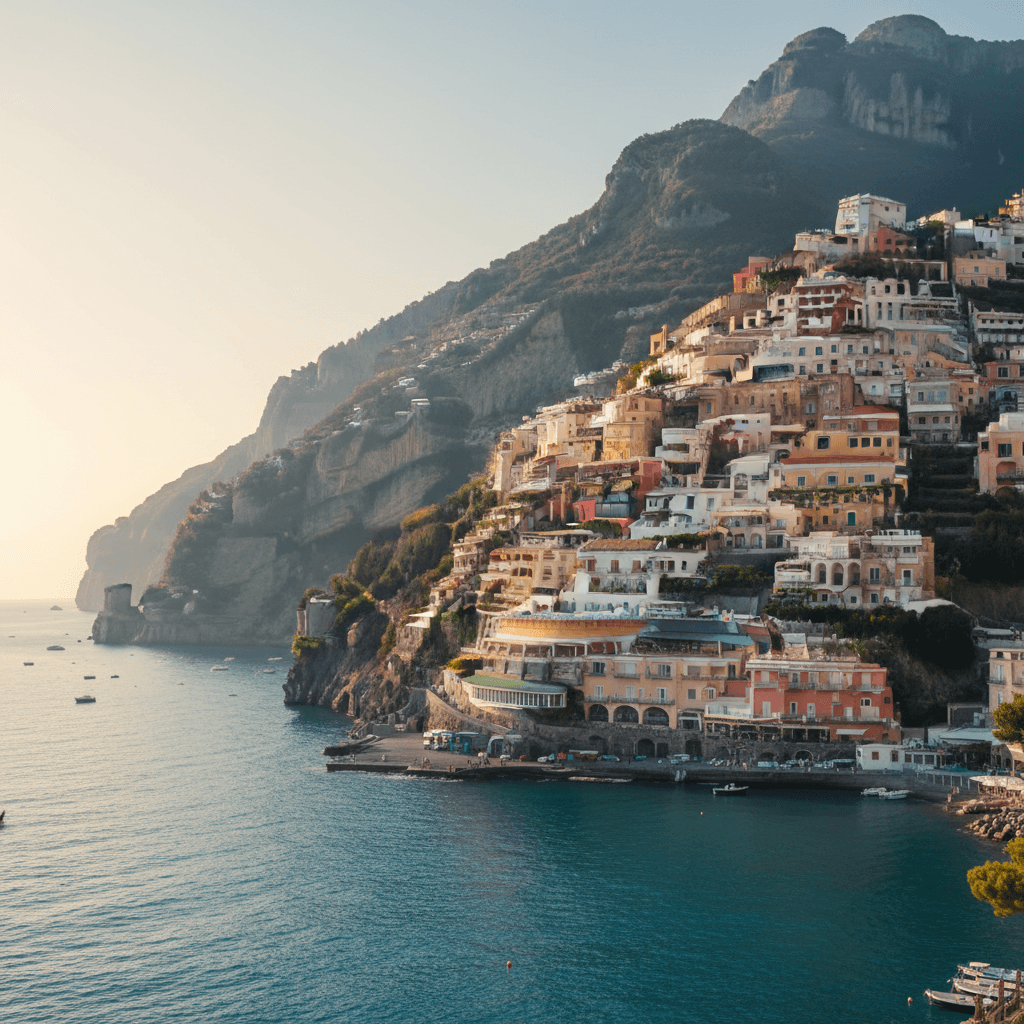
Italy Schengen Visa from Morocco 2026: Requirements & Appointment Guide
If you have been trying to book an Italy visa appointment from Morocco, you already know the pattern. You create your TLScontact account, log in during what you hope is an off-peak window, and stare at a calendar with zero available dates. You try again later. Tomorrow. Next week. The slots are gone before most people even see them.
Italy is one of the most requested Schengen destinations for Moroccan travellers. Between tourism to Rome, Milan, Florence, and Venice, family ties, business conferences, and university enrolments, Italian consulates in Morocco handle enormous application volumes. The visa process itself is straightforward. But getting an appointment to submit your documents is where the real difficulty begins.
This guide covers everything Moroccan residents need to know about applying for an Italy Schengen visa in 2026, the full document checklist, fees, processing times, TLScontact centre details, and realistic strategies for securing an appointment when slots disappear within minutes.
If refreshing the booking page is not realistic, Visard watches it for you and tells you when Italy visa appointment slots from Morocco open.
Who Needs an Italy Schengen Visa from Morocco?
All Moroccan passport holders need a Schengen visa to enter Italy, regardless of the purpose of travel, tourism, business, visiting family, medical treatment, or transit. This applies to residents in every city across the Kingdom, from Casablanca and Rabat to Tangier, Marrakech, Fes, Agadir, and beyond.
Italy is a founding member of the Schengen Area. A Schengen visa issued by an Italian consulate grants you access to all 27 Schengen member states for up to 90 days within any 180-day period.
If Italy is your main destination (where you will spend the most nights), the Italian consular authority in Morocco is the correct place to apply. If you are splitting time evenly across multiple Schengen countries, apply to the country of first entry.
Morocco recorded 606,800 Schengen visa applications in 2024 and around 620,000 in 2025, ranking fifth worldwide in 2025 across all Schengen destinations. Italy consistently receives a significant share of that demand.
Required Documents for an Italy Visa from Morocco
The Italian Embassy and its consulates in Morocco require the following documents for a short-stay (Type C) Schengen visa. TLScontact centres enforce this checklist strictly, arrive with a missing document and your file may be returned without submission.
Passport
Valid for at least 3 months beyond your planned departure from the Schengen Area
Issued within the last 10 years
At least 2 blank pages marked "visa"
Visa Application Form
Completed in full and signed. Available on the TLScontact portal or the Italian Embassy website.
Photograph
One recent passport-size colour photo (35mm x 40mm)
Bright colour or white background, full face visible
Taken within the last 6 months
Travel Medical Insurance
Minimum coverage of EUR 30,000
Must cover medical emergencies, hospitalisation, and repatriation
Valid across all 27 Schengen member states
Coverage dates must match or exceed your travel dates
Flight Itinerary
Round-trip reservation showing entry and exit from the Schengen Area
A booking confirmation is sufficient, you do not need confirmed, paid tickets at the time of application
Accommodation Proof
Hotel booking confirmation with full address, dates, and your name
If staying with family or friends: an invitation letter from your host (lettre d'invitation) plus their proof of residence in Italy and a copy of their identity document
Financial Means
Bank statements from the last 12 months showing consistent activity and a sufficient balance
The Italian consulate pays close attention to account history, a large deposit made shortly before application raises questions
Salary certificate from your employer or trade licence (registre de commerce) if self-employed
Employment or Status Proof
Employed: Attestation de travail and a leave authorisation letter from your employer, stating your position, salary, and approved dates of absence
Self-employed: Registre de commerce, recent tax declarations (attestation fiscale)
Student: Enrolment certificate from your institution plus a financial guarantee letter from a parent or sponsor
Retired: Pension statements
Cover Letter
Explain your travel purpose, itinerary, and dates clearly
Include your Moroccan address and contact information
Previous Schengen Visas
Photocopies of any Schengen visas issued in the last 3 years
Civil Status Documents
Acte de naissance, livret de famille, or marriage certificate as applicable
Evidence of ties to Morocco, property ownership, ongoing employment, family dependents
Important: All documents in Arabic must be translated into Italian or French. Originals and copies of every document must be presented at submission.
Visa Fees
Current official visa fee: Since 11 June 2024, the standard short-stay Schengen visa fee is €90 for adults and €45 for children aged 6 to under 12; children under 6 are exempt. Visa-centre service charges are separate and can change. European Commission fee notice.
Schengen visa fees are standardised across all member states and set by the European Commission.
Consular Fees (paid to the Embassy)
Applicant | Fee |
|---|---|
Adults (12+) | EUR 90 |
Children 6–11 | EUR 45 |
Children under 6 | Free |
Current fee: EUR 90 for adults and EUR 45 for children aged 6–11. This EU-wide fee has applied since 11 June 2024.
TLScontact Service Fee
Approximately EUR 28–35 per application (varies slightly by centre), paid in Moroccan Dirhams
This covers appointment handling, document reception, biometric capture, and file forwarding
Non-refundable regardless of visa decision
Total cost example: An adult applying through TLScontact pays approximately EUR 90 in consular fees plus the service fee, roughly 1,100–1,200 MAD total at current exchange rates.
All fees are non-refundable. A visa refusal does not entitle you to any fee refund.
Processing Time
Once your application is submitted at TLScontact:
Standard processing: 15 calendar days
Extended processing: Up to 45 calendar days (for cases requiring additional documentation or verification)
National visa processing: Up to 90 days for long-stay (Type D) applications
You can submit your application up to 6 months before your planned travel date. The Italian consulate recommends applying at least 3 to 4 weeks in advance, though experienced applicants know that 6 to 8 weeks provides a much more comfortable buffer, especially during summer.
Applications submitted at TLScontact centres in Casablanca and Rabat are forwarded to the relevant Italian consular authority for decision.
TLScontact Centres in Morocco
Italy visa applications from Morocco are processed through TLScontact at two main locations:
Casablanca
TLScontact Visa Application Centre
Serves: Casablanca and all regions not covered by Rabat
Website: it.tlscontact.com
Rabat
TLScontact Visa Application Centre
Serves: Rabat, Salé, Tiflet, Rommani, Khémisset, Témara, Ain Aouda, and Skhirat
TLScontact inaugurated a new, expanded centre in Casablanca in 2025, with a capacity of up to 1,200 applicants per day, a signal of just how high the demand is.
Both centres handle biometric capture (fingerprints and digital photograph), document verification, and forwarding to the Italian consulate.
Italian Embassy in Morocco (for reference)
Ambassade d'Italie à Rabat
Website: ambrabat.esteri.it
Note: Visa applications are not accepted directly at the embassy. All submissions must go through TLScontact.
The Real Problem: Getting an Appointment
Here is the part that official websites gloss over: the most difficult step in getting an Italian visa from Morocco is not the paperwork or the interview. It is booking an appointment at TLScontact.
Italy is among the most popular Schengen destinations for Moroccans, and the demand for appointments consistently exceeds supply. TLScontact releases slots in batches, sometimes small batches, and they disappear within minutes, occasionally seconds. No advance notification system. You either catch a slot at the exact moment it appears, or you start over.
Many applicants spend weeks refreshing the TLScontact booking page multiple times every day. Others pay intermediaries 2,000 to 4,000 MAD just for the appointment, not for any help with the actual visa application. That is money spent before you have even submitted a single document.
There is a more practical alternative. Visard checks the Italy calendar every 3 seconds and sends a Telegram alert when a slot appears, so you can book it before it vanishes.
A Schengen visa appointment bot for Morocco residents covers your entire family on a single subscription. No personal visa data is required, just real-time alerts when appointments become available. Compared to weeks of manual refreshing or paying intermediaries thousands of dirhams, automated monitoring is the most cost-effective and reliable path to your appointment.
Step-by-Step: How to Apply for an Italy Visa from Morocco
1. Gather your documents
Use the checklist above. The Italian consulate is particularly attentive to financial documentation, 12 months of bank statements is the standard, and the account history matters more than the current balance. Ensure all Arabic documents are translated into French or Italian by a certified translator.
2. Create your TLScontact account
Register on the TLScontact platform for Italy in Morocco. Fill in your personal details and select your travel purpose.
3. Book an appointment
This is the bottleneck. Book through the TLScontact online portal, or use an Italy visa appointment bot in Morocco to get notified within a second of a slot opening. Do not wait until the last minute, start monitoring well in advance.
4. Attend your appointment
Arrive on time with all original documents and a complete set of photocopies. Biometrics (10 fingerprints and a digital photograph) are captured at the centre. Pay the consular fee and TLScontact service fee at the centre in Moroccan Dirhams.
5. Track your application
TLScontact provides a reference number for online tracking. The Italian consulate may contact you for additional documents or schedule an interview. Check your email and phone regularly.
6. Collect your passport
Once the decision is made, collect your passport from the same TLScontact centre or arrange courier delivery. Check the visa sticker carefully, verify the dates, number of entries, and duration of stay match your travel plan.
Tips for a Stronger Italy Visa Application
Show strong ties to Morocco. The consulate needs confidence that you will return. A stable job, property in your name, family dependents in Morocco, and a history of returning from previous international travel all help.
Bank statements tell your story. The Italian consulate reviews 12 months of statements. They want to see consistent income, not a sudden cash injection the week before your application. A salary that matches your attestation de travail and a stable balance that can comfortably cover your stay make a stronger case.
Be precise with your itinerary. Your cover letter, flight reservation, hotel bookings, and insurance dates should all align perfectly. Inconsistencies between documents are among the most common reasons applications get flagged.
Do not fabricate documents. Submitting forged bank statements, fake employment letters, or fraudulent invitations leads to visa refusal and can result in a multi-year ban from the Schengen Area. Italian consulates have extensive experience identifying inconsistencies.
Apply to the right country. If Italy is not your main destination, apply to the country where you will spend the most time. Mismatched applications get refused.
Start early and plan ahead. The combination of appointment scarcity and processing times means you should begin planning 3 to 4 months before your intended travel date. For a complete Schengen visa guide from Morocco, including strategies that apply across all destinations, see our detailed walkthrough.
Italy as a Schengen Destination
Italy is a founding member of the Schengen Area and one of the original signatories of the 1985 Schengen Agreement. With an Italian Schengen visa (Type C), you can:
Stay up to 90 days within any 180-day period
Travel freely across all 27 Schengen member states
Enter and exit through any Schengen country
From Rome and Florence to Milan, Venice, Naples, and the Amalfi Coast, Italy draws Moroccan travellers for tourism, academic pursuits, business, and family visits. Direct flights connect Casablanca and several other Moroccan cities to Rome and Milan, and the cultural and linguistic proximity, French is widely understood in parts of Italy, particularly in the north, makes it a natural destination for Moroccan visitors.
Italy also hosts a significant Moroccan diaspora community, which drives a steady stream of family reunion and visit applications year-round.
Frequently Asked Questions
Can I apply at TLScontact Casablanca if I live in a different city?
It depends on your region. TLScontact assigns catchment areas, Casablanca serves most regions, while Rabat covers Rabat-Salé and surrounding areas. Check the TLScontact website for your assigned centre based on your residence.
Do I need confirmed flight tickets before my visa is approved?
No. A flight reservation or itinerary is sufficient. You do not need to purchase tickets before receiving your visa decision.
How long is an Italy Schengen visa valid?
A standard single-entry tourist visa covers the dates of your trip (up to 90 days). Multiple-entry visas of 1, 2, or even 5 years may be issued based on your travel history and profile, at the consulate's discretion.
What is Italy's visa approval rate for Moroccan applicants?
Italy's overall Schengen visa refusal rate was approximately 10.9% in 2024, one of the lowest among major Schengen destinations. However, individual outcomes depend entirely on the strength of your application and documentation.
Can I work in Italy on a Type C Schengen visa?
No. A Type C visa does not permit employment. For work purposes, you need a national (Type D) visa processed through the Italian consulate.
What if my visa is refused?
You will receive a written refusal with the reason(s). You have the right to appeal within the timeframe specified in the refusal letter. Address the stated issues before reapplying.
Sources:
Official 2025 context: EU and Schengen-associated consulates received more than 12 million short-stay visa applications in 2025. The worldwide refusal rate was 14.6%, down from 14.8% in 2024; 51.7% of issued visas allowed multiple entries. These are global figures, not a prediction for an individual application. European Commission 2025 visa statistics.
If you would rather be told than keep checking, you can use the Visard Schengen Visa Slot Tracker to follow appointment availability from Morocco.
Italy Schengen Visa from Morocco 2026: Requirements & Appointment Guide
If you have been trying to book an Italy visa appointment from Morocco, you already know the pattern. You create your TLScontact account, log in during what you hope is an off-peak window, and stare at a calendar with zero available dates. You try again later. Tomorrow. Next week. The slots are gone before most people even see them.
Italy is one of the most requested Schengen destinations for Moroccan travellers. Between tourism to Rome, Milan, Florence, and Venice, family ties, business conferences, and university enrolments, Italian consulates in Morocco handle enormous application volumes. The visa process itself is straightforward. But getting an appointment to submit your documents is where the real difficulty begins.
This guide covers everything Moroccan residents need to know about applying for an Italy Schengen visa in 2026, the full document checklist, fees, processing times, TLScontact centre details, and realistic strategies for securing an appointment when slots disappear within minutes.
If refreshing the booking page is not realistic, Visard watches it for you and tells you when Italy visa appointment slots from Morocco open.
Who Needs an Italy Schengen Visa from Morocco?
All Moroccan passport holders need a Schengen visa to enter Italy, regardless of the purpose of travel, tourism, business, visiting family, medical treatment, or transit. This applies to residents in every city across the Kingdom, from Casablanca and Rabat to Tangier, Marrakech, Fes, Agadir, and beyond.
Italy is a founding member of the Schengen Area. A Schengen visa issued by an Italian consulate grants you access to all 27 Schengen member states for up to 90 days within any 180-day period.
If Italy is your main destination (where you will spend the most nights), the Italian consular authority in Morocco is the correct place to apply. If you are splitting time evenly across multiple Schengen countries, apply to the country of first entry.
Morocco recorded 606,800 Schengen visa applications in 2024 and around 620,000 in 2025, ranking fifth worldwide in 2025 across all Schengen destinations. Italy consistently receives a significant share of that demand.
Required Documents for an Italy Visa from Morocco
The Italian Embassy and its consulates in Morocco require the following documents for a short-stay (Type C) Schengen visa. TLScontact centres enforce this checklist strictly, arrive with a missing document and your file may be returned without submission.
Passport
Valid for at least 3 months beyond your planned departure from the Schengen Area
Issued within the last 10 years
At least 2 blank pages marked "visa"
Visa Application Form
Completed in full and signed. Available on the TLScontact portal or the Italian Embassy website.
Photograph
One recent passport-size colour photo (35mm x 40mm)
Bright colour or white background, full face visible
Taken within the last 6 months
Travel Medical Insurance
Minimum coverage of EUR 30,000
Must cover medical emergencies, hospitalisation, and repatriation
Valid across all 27 Schengen member states
Coverage dates must match or exceed your travel dates
Flight Itinerary
Round-trip reservation showing entry and exit from the Schengen Area
A booking confirmation is sufficient, you do not need confirmed, paid tickets at the time of application
Accommodation Proof
Hotel booking confirmation with full address, dates, and your name
If staying with family or friends: an invitation letter from your host (lettre d'invitation) plus their proof of residence in Italy and a copy of their identity document
Financial Means
Bank statements from the last 12 months showing consistent activity and a sufficient balance
The Italian consulate pays close attention to account history, a large deposit made shortly before application raises questions
Salary certificate from your employer or trade licence (registre de commerce) if self-employed
Employment or Status Proof
Employed: Attestation de travail and a leave authorisation letter from your employer, stating your position, salary, and approved dates of absence
Self-employed: Registre de commerce, recent tax declarations (attestation fiscale)
Student: Enrolment certificate from your institution plus a financial guarantee letter from a parent or sponsor
Retired: Pension statements
Cover Letter
Explain your travel purpose, itinerary, and dates clearly
Include your Moroccan address and contact information
Previous Schengen Visas
Photocopies of any Schengen visas issued in the last 3 years
Civil Status Documents
Acte de naissance, livret de famille, or marriage certificate as applicable
Evidence of ties to Morocco, property ownership, ongoing employment, family dependents
Important: All documents in Arabic must be translated into Italian or French. Originals and copies of every document must be presented at submission.
Visa Fees
Current official visa fee: Since 11 June 2024, the standard short-stay Schengen visa fee is €90 for adults and €45 for children aged 6 to under 12; children under 6 are exempt. Visa-centre service charges are separate and can change. European Commission fee notice.
Schengen visa fees are standardised across all member states and set by the European Commission.
Consular Fees (paid to the Embassy)
Applicant | Fee |
|---|---|
Adults (12+) | EUR 90 |
Children 6–11 | EUR 45 |
Children under 6 | Free |
Current fee: EUR 90 for adults and EUR 45 for children aged 6–11. This EU-wide fee has applied since 11 June 2024.
TLScontact Service Fee
Approximately EUR 28–35 per application (varies slightly by centre), paid in Moroccan Dirhams
This covers appointment handling, document reception, biometric capture, and file forwarding
Non-refundable regardless of visa decision
Total cost example: An adult applying through TLScontact pays approximately EUR 90 in consular fees plus the service fee, roughly 1,100–1,200 MAD total at current exchange rates.
All fees are non-refundable. A visa refusal does not entitle you to any fee refund.
Processing Time
Once your application is submitted at TLScontact:
Standard processing: 15 calendar days
Extended processing: Up to 45 calendar days (for cases requiring additional documentation or verification)
National visa processing: Up to 90 days for long-stay (Type D) applications
You can submit your application up to 6 months before your planned travel date. The Italian consulate recommends applying at least 3 to 4 weeks in advance, though experienced applicants know that 6 to 8 weeks provides a much more comfortable buffer, especially during summer.
Applications submitted at TLScontact centres in Casablanca and Rabat are forwarded to the relevant Italian consular authority for decision.
TLScontact Centres in Morocco
Italy visa applications from Morocco are processed through TLScontact at two main locations:
Casablanca
TLScontact Visa Application Centre
Serves: Casablanca and all regions not covered by Rabat
Website: it.tlscontact.com
Rabat
TLScontact Visa Application Centre
Serves: Rabat, Salé, Tiflet, Rommani, Khémisset, Témara, Ain Aouda, and Skhirat
TLScontact inaugurated a new, expanded centre in Casablanca in 2025, with a capacity of up to 1,200 applicants per day, a signal of just how high the demand is.
Both centres handle biometric capture (fingerprints and digital photograph), document verification, and forwarding to the Italian consulate.
Italian Embassy in Morocco (for reference)
Ambassade d'Italie à Rabat
Website: ambrabat.esteri.it
Note: Visa applications are not accepted directly at the embassy. All submissions must go through TLScontact.
The Real Problem: Getting an Appointment
Here is the part that official websites gloss over: the most difficult step in getting an Italian visa from Morocco is not the paperwork or the interview. It is booking an appointment at TLScontact.
Italy is among the most popular Schengen destinations for Moroccans, and the demand for appointments consistently exceeds supply. TLScontact releases slots in batches, sometimes small batches, and they disappear within minutes, occasionally seconds. No advance notification system. You either catch a slot at the exact moment it appears, or you start over.
Many applicants spend weeks refreshing the TLScontact booking page multiple times every day. Others pay intermediaries 2,000 to 4,000 MAD just for the appointment, not for any help with the actual visa application. That is money spent before you have even submitted a single document.
There is a more practical alternative. Visard checks the Italy calendar every 3 seconds and sends a Telegram alert when a slot appears, so you can book it before it vanishes.
A Schengen visa appointment bot for Morocco residents covers your entire family on a single subscription. No personal visa data is required, just real-time alerts when appointments become available. Compared to weeks of manual refreshing or paying intermediaries thousands of dirhams, automated monitoring is the most cost-effective and reliable path to your appointment.
Step-by-Step: How to Apply for an Italy Visa from Morocco
1. Gather your documents
Use the checklist above. The Italian consulate is particularly attentive to financial documentation, 12 months of bank statements is the standard, and the account history matters more than the current balance. Ensure all Arabic documents are translated into French or Italian by a certified translator.
2. Create your TLScontact account
Register on the TLScontact platform for Italy in Morocco. Fill in your personal details and select your travel purpose.
3. Book an appointment
This is the bottleneck. Book through the TLScontact online portal, or use an Italy visa appointment bot in Morocco to get notified within a second of a slot opening. Do not wait until the last minute, start monitoring well in advance.
4. Attend your appointment
Arrive on time with all original documents and a complete set of photocopies. Biometrics (10 fingerprints and a digital photograph) are captured at the centre. Pay the consular fee and TLScontact service fee at the centre in Moroccan Dirhams.
5. Track your application
TLScontact provides a reference number for online tracking. The Italian consulate may contact you for additional documents or schedule an interview. Check your email and phone regularly.
6. Collect your passport
Once the decision is made, collect your passport from the same TLScontact centre or arrange courier delivery. Check the visa sticker carefully, verify the dates, number of entries, and duration of stay match your travel plan.
Tips for a Stronger Italy Visa Application
Show strong ties to Morocco. The consulate needs confidence that you will return. A stable job, property in your name, family dependents in Morocco, and a history of returning from previous international travel all help.
Bank statements tell your story. The Italian consulate reviews 12 months of statements. They want to see consistent income, not a sudden cash injection the week before your application. A salary that matches your attestation de travail and a stable balance that can comfortably cover your stay make a stronger case.
Be precise with your itinerary. Your cover letter, flight reservation, hotel bookings, and insurance dates should all align perfectly. Inconsistencies between documents are among the most common reasons applications get flagged.
Do not fabricate documents. Submitting forged bank statements, fake employment letters, or fraudulent invitations leads to visa refusal and can result in a multi-year ban from the Schengen Area. Italian consulates have extensive experience identifying inconsistencies.
Apply to the right country. If Italy is not your main destination, apply to the country where you will spend the most time. Mismatched applications get refused.
Start early and plan ahead. The combination of appointment scarcity and processing times means you should begin planning 3 to 4 months before your intended travel date. For a complete Schengen visa guide from Morocco, including strategies that apply across all destinations, see our detailed walkthrough.
Italy as a Schengen Destination
Italy is a founding member of the Schengen Area and one of the original signatories of the 1985 Schengen Agreement. With an Italian Schengen visa (Type C), you can:
Stay up to 90 days within any 180-day period
Travel freely across all 27 Schengen member states
Enter and exit through any Schengen country
From Rome and Florence to Milan, Venice, Naples, and the Amalfi Coast, Italy draws Moroccan travellers for tourism, academic pursuits, business, and family visits. Direct flights connect Casablanca and several other Moroccan cities to Rome and Milan, and the cultural and linguistic proximity, French is widely understood in parts of Italy, particularly in the north, makes it a natural destination for Moroccan visitors.
Italy also hosts a significant Moroccan diaspora community, which drives a steady stream of family reunion and visit applications year-round.
Frequently Asked Questions
Can I apply at TLScontact Casablanca if I live in a different city?
It depends on your region. TLScontact assigns catchment areas, Casablanca serves most regions, while Rabat covers Rabat-Salé and surrounding areas. Check the TLScontact website for your assigned centre based on your residence.
Do I need confirmed flight tickets before my visa is approved?
No. A flight reservation or itinerary is sufficient. You do not need to purchase tickets before receiving your visa decision.
How long is an Italy Schengen visa valid?
A standard single-entry tourist visa covers the dates of your trip (up to 90 days). Multiple-entry visas of 1, 2, or even 5 years may be issued based on your travel history and profile, at the consulate's discretion.
What is Italy's visa approval rate for Moroccan applicants?
Italy's overall Schengen visa refusal rate was approximately 10.9% in 2024, one of the lowest among major Schengen destinations. However, individual outcomes depend entirely on the strength of your application and documentation.
Can I work in Italy on a Type C Schengen visa?
No. A Type C visa does not permit employment. For work purposes, you need a national (Type D) visa processed through the Italian consulate.
What if my visa is refused?
You will receive a written refusal with the reason(s). You have the right to appeal within the timeframe specified in the refusal letter. Address the stated issues before reapplying.
Sources:
Official 2025 context: EU and Schengen-associated consulates received more than 12 million short-stay visa applications in 2025. The worldwide refusal rate was 14.6%, down from 14.8% in 2024; 51.7% of issued visas allowed multiple entries. These are global figures, not a prediction for an individual application. European Commission 2025 visa statistics.
If you would rather be told than keep checking, you can use the Visard Schengen Visa Slot Tracker to follow appointment availability from Morocco.
Related posts

Switzerland Visa Requirements from Morocco

Sweden Visa Requirements from Morocco 2026

Norway Visa Requirements from Morocco 2026
Malta Visa Documents from Morocco 2026
Italy Visa Guide from Morocco 2026

Iceland Visa Requirements from Morocco 2026

Finland Visa Requirements from Morocco 2026
Denmark Schengen Visa from Morocco in 2026
Croatia Visa Requirements from Morocco 2026

Austria Schengen Visa from Morocco: 2026 Guide
Related posts
Related posts