
Schengen Visa Types Explained (2026): A, C, D and LTV, and Which One You Actually Need
Reviewed by Visard Visa Operations Team · Last updated: 6 August 2026 · Based on Regulation (EC) No 810/2009 (Schengen Visa Code), Regulation (EU) 2016/399 (Schengen Borders Code), and the EES/ETIAS rollout timetable.
There are only four Schengen visa categories, A, C, D and LTV, and most of what people call a “tourist visa”, “business visa” or “student visa” is not a separate visa type at all. Those are purposes of travel declared inside one of the four categories. Getting this distinction right matters, because two of the most commonly requested “types”, work and study for longer than 90 days, are not Schengen visas in the first place. They are national (Type D) visas issued by one country under its own immigration law.
The Four Categories at a Glance
Category | What it allows | Maximum stay | Issued by |
|---|---|---|---|
Type AAirport Transit | Passing through the international transit zone of a Schengen airport without entering the country | No entry, transit zone only | Consulate of the transit country |
Type CShort Stay | Tourism, business, family visits, short courses, conferences, sport and cultural events, medical treatment | 90 days in any 180-day period | Consulate of the main destination |
Type DNational Long Stay | Work, study, family reunification, research, residence | More than 90 days, set by national law | The country you will live in |
LTVLimited Territorial Validity | Entry to named countries only, not the whole Schengen Area | As stated on the visa | Consulate, in humanitarian or urgent cases |
If you are travelling to Europe for up to three months, your answer is almost always Type C. The rest of this guide is mostly about what you declare inside that application.
Type C: the visa nearly everyone means
The short-stay visa is a single sticker that works across all 29 Schengen states. The category never changes, what changes is the purpose you declare in field 24 of the application form and the supporting documents you attach to prove it.
These are purposes, not separate visas:
Tourismaccommodation bookings, a day-by-day itinerary, return travel, proof of funds.
Businessan invitation from the host company naming dates and purpose, plus your own employer’s letter.
Visiting family or friendsa formal invitation from the host, their residence proof, and who is covering costs.
Conferences, sport, culture, film crewsaccreditation or an organiser’s letter with the event dates and venue.
Short courses under 90 daysthe enrolment letter. Anything longer is a Type D matter, not this one.
Medical treatmentthe clinic’s confirmation and proof the treatment is paid for.
A Type C visa can be issued for one entry, two entries, or multiple entries. Multiple-entry validity follows the EU “cascade” rule, which is set out in our guide to the multiple-entry Schengen visa.
Type D is not a Schengen visa, and this is where most confusion starts
Search results routinely list “work visa” and “student visa” among Schengen visa types. They are not. A stay longer than 90 days is governed by the national immigration law of one country, and the visa is issued by that country for that country. Germany decides German long-stay visas; Italy decides Italian ones. There is no common Schengen long-stay visa.
Two practical consequences:
You cannot convert a Type C into a Type D after arriving. Applying for the wrong category means starting again, usually from your country of residence.
A Type D does let you travel. While it is valid, it allows short visits to the other Schengen states within the same 90/180 limit, but your right to live and work stays with the issuing country.
Type A and LTV: the two that are rarely needed and often misunderstood
Type A is required only for certain nationalities, and only when you change planes inside a Schengen airport without passing immigration. If you leave the transit zone, to collect and re-check baggage, for instance, you need a Type C instead. Each Schengen state publishes its own list of nationalities requiring airport transit visas, so check the consulate of the airport you are transiting, not your destination.
LTV is not something you apply for. It is issued at the consulate’s discretion, usually on humanitarian grounds, or where your travel document is not recognised by every member state, and it restricts you to the countries named on the sticker. It also does not count towards your visa history for multiple-entry cascade purposes.
What changed in 2026
EES is fully operational. The Entry/Exit System was introduced progressively from 12 October 2025 and became fully operational on 10 April 2026. Entries and exits are now recorded digitally with fingerprints and a facial image; passports are no longer stamped, and your 90/180 balance is tracked automatically across all 29 states.
ETIAS is coming, and it is not a visa. ETIAS becomes operational in the fourth quarter of 2026 and is expected to become mandatory from April 2027. It costs €20 and applies only to visa-exempt nationals, aged 18 to 70; under 18 and over 70 are exempt from the fee. If you need a Schengen visa, you do not need ETIAS. The two never apply to the same traveller.
The visa fee is €90 for adults. Children aged 6 to 12 pay €45; under 6 is free. The fee was raised from €80 in June 2024 and is set by EU law, so it is identical at every consulate. Service-provider charges from VFS Global, TLScontact or BLS are separate and vary by country.
The EU Visa Application Platform is rolling out. France, Italy and Estonia already accept fully online applications; biometrics are still captured in person. The transition runs through 2031.
Choosing your category in three questions
Will you stay longer than 90 days in any 180-day period? Yes → Type D, applied for at the consulate of the one country you will live in. No → continue.
Will you leave the airport transit zone? No, and your nationality is on the transit list → Type A. Yes → continue.
Everything else is Type C. Apply at the consulate of your main destination, the country where you will spend the most nights. If the nights are evenly split, apply to the country you enter first.
Where you apply, by country of residence
United Kingdom
UK residents apply through the service provider appointed by each destination: TLScontact for France and Germany, VFS Global for Italy, the Netherlands, Portugal, Norway, Finland and others, and BLS International for Spain. Your UKVI eVisa share code has replaced the BRP card as proof of residence. See the complete Schengen visa guide for UK residents.
Ireland
Ireland is not in the Schengen Area, so every application goes to the destination country’s embassy or its appointed centre in Dublin. Your Irish Residence Permit must stay valid for your trip plus three months. See the guide for Ireland residents.
United Arab Emirates
Applications are submitted at centres in Dubai and Abu Dhabi. Your Emirates ID and residence visa must be valid for at least three months beyond your planned exit. See the guide for UAE residents.
Turkey
Turkish nationals apply through the provider appointed by each consulate. The Vukuatlı Nüfus Kayıt Örneği is required by most consulates. See the guide for Turkey residents.
Mistakes that come from picking the wrong category
Applying for a short-stay visa for a semester abroad. A course longer than 90 days needs a national visa from the country of study.
Applying to the wrong consulate. The main destination decides where you apply, not the cheapest appointment or the shortest queue.
Treating an LTV as a normal Schengen visa. It admits you only to the countries printed on it, and it does not build multiple-entry history.
Buying ETIAS when you need a visa. ETIAS is for visa-exempt nationals only; it cannot replace a Type C.
Assuming a transit stop is free of paperwork. Several nationalities need a Type A even without leaving the terminal.
Category errors are one of the avoidable groups inside the broader list of common Schengen visa rejection reasons.
After the category: the appointment
Choosing the right category takes minutes. Getting an appointment slot is the part that takes weeks. Slots at VFS Global, TLScontact and BLS centres open and close within seconds in London, Dublin, Dubai, Abu Dhabi and Istanbul.
Visard watches the official appointment portals every three seconds and alerts you the moment a slot opens, with auto-booking available on selected corridors. Browse by where you live:
Frequently Asked Questions
How many Schengen visa types are there?
Four: Type A (airport transit), Type C (short stay up to 90 days in any 180-day period), Type D (national long stay, issued under one country’s own law), and LTV (limited territorial validity). Tourist, business and student “visas” are not separate categories, they are purposes declared inside an application.
Is a tourist visa a different visa from a business visa?
No. Both are Type C short-stay visas. The category on the sticker is the same; only the purpose you declare and the documents you attach differ.
Which visa do I need to study in Europe?
For a course under 90 days, a Type C with study as the declared purpose. For anything longer, a national Type D visa from the country where you will study, that is not a Schengen visa and is decided under national law.
What does the Schengen visa cost in 2026?
€90 for adults and €45 for children aged 6 to 12; under 6 is free. The fee is fixed by EU law and identical at every consulate. Service-provider fees charged by VFS Global, TLScontact or BLS are additional and vary by country.
Do I need ETIAS if I hold a Schengen visa?
No. ETIAS applies only to visa-exempt nationals. It becomes operational in the fourth quarter of 2026 and is expected to be mandatory from April 2027, at €20 for applicants aged 18 to 70. If you need a visa, ETIAS never applies to you.
How does EES change my visa?
It does not change the visa or the application. Since 10 April 2026 the Entry/Exit System records your crossings digitally with biometrics instead of a passport stamp, and calculates your 90/180 balance automatically. It changes the border, not the paperwork.
Can I turn a short-stay visa into a long-stay one while I am in Europe?
No. Type C and Type D are issued under different legal regimes. A long-stay visa is applied for from your country of residence, at the consulate of the country you intend to live in.
Why was I given a visa that only works for one country?
That is an LTV, limited territorial validity. Consulates issue it on humanitarian grounds or when a travel document is not recognised by every member state. It admits you only to the countries named on it and does not count towards multiple-entry eligibility.
Related Guides
Key Takeaways
There are four categories, A, C, D and LTV. Everything else is a purpose, not a type.
Type C covers tourism, business, family visits, events and courses under 90 days, capped at 90 days in any 180.
Work and study beyond 90 days are national Type D visas, not Schengen visas, and not convertible after arrival.
Apply at the consulate of your main destination; if nights are evenly split, the country of first entry.
€90 adult, €45 child 6–12, free under 6, set by EU law, identical everywhere.
EES has been fully operational since 10 April 2026; ETIAS opens in Q4 2026, is expected to be mandatory from April 2027, and never applies to visa holders.
Official sources checked for this update
Use these primary sources to verify the current rule or route before applying.
European CommissionCurrent single-entry, multiple-entry and airport-transit visa definitions.
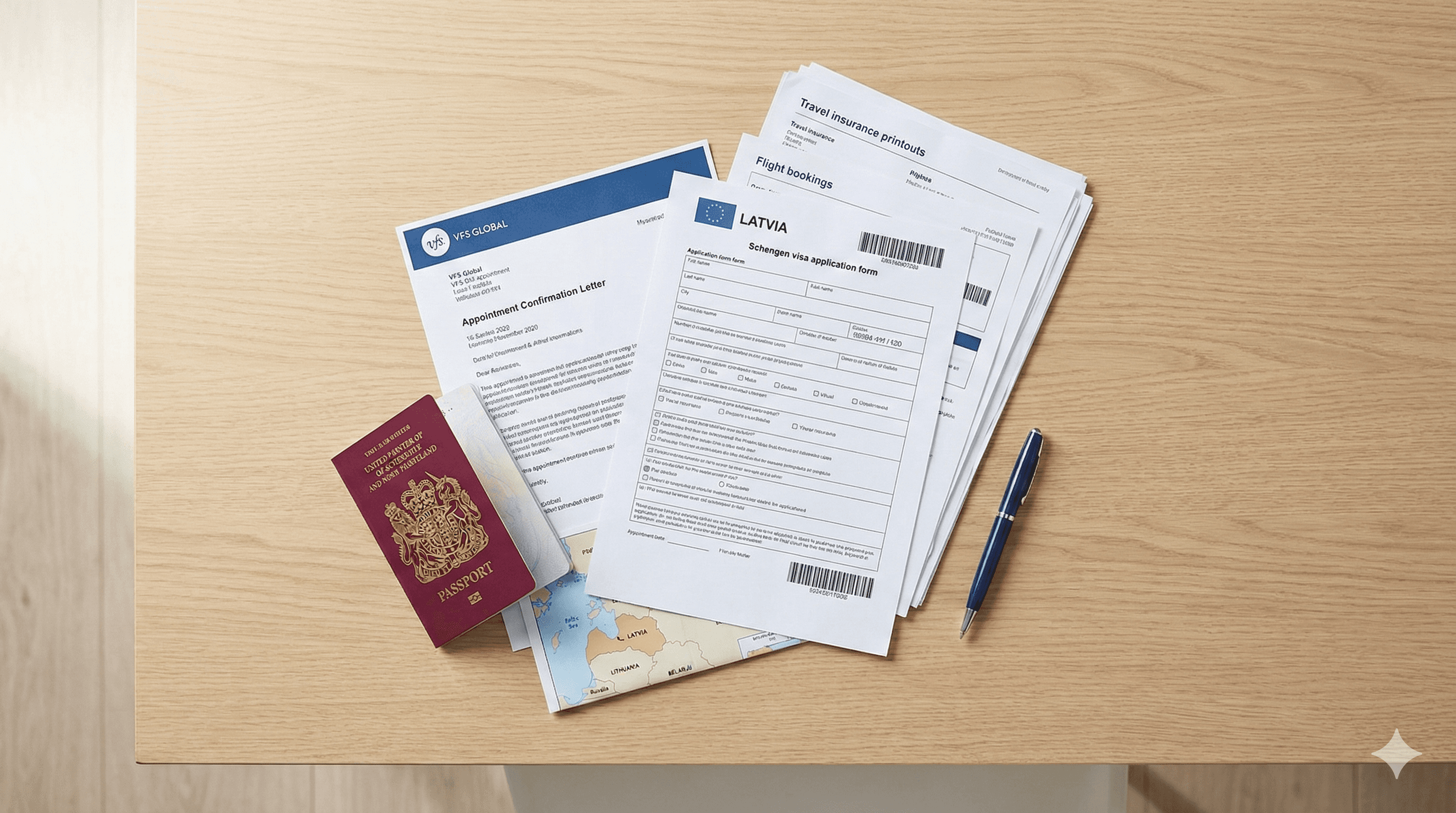
Latvia Visa from the UK 2026: Documents and EUR 90 Fee
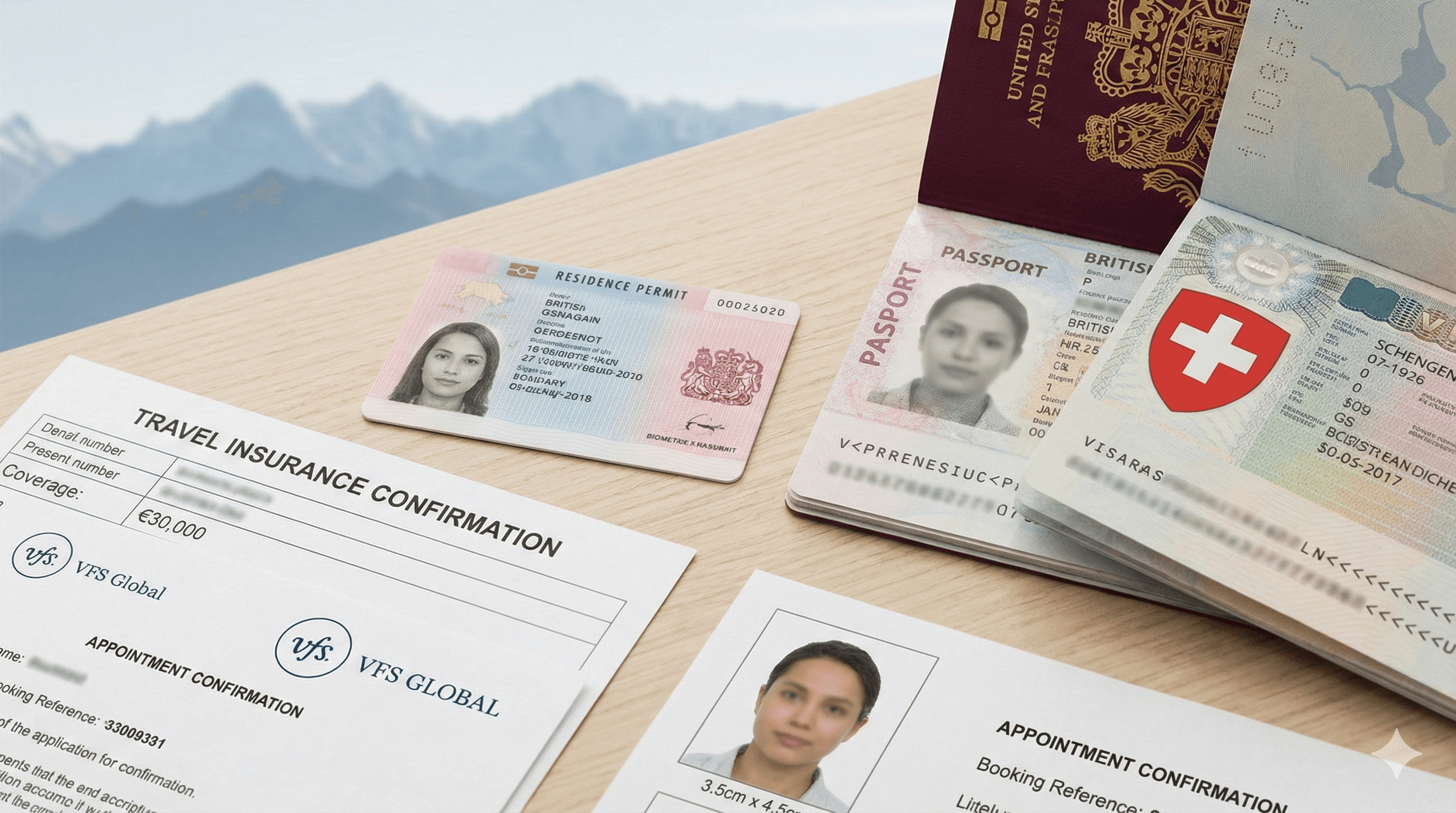
Switzerland Visa Requirements from the UK 2026

Slovenia Visa from the UK 2026: Documents and Fees
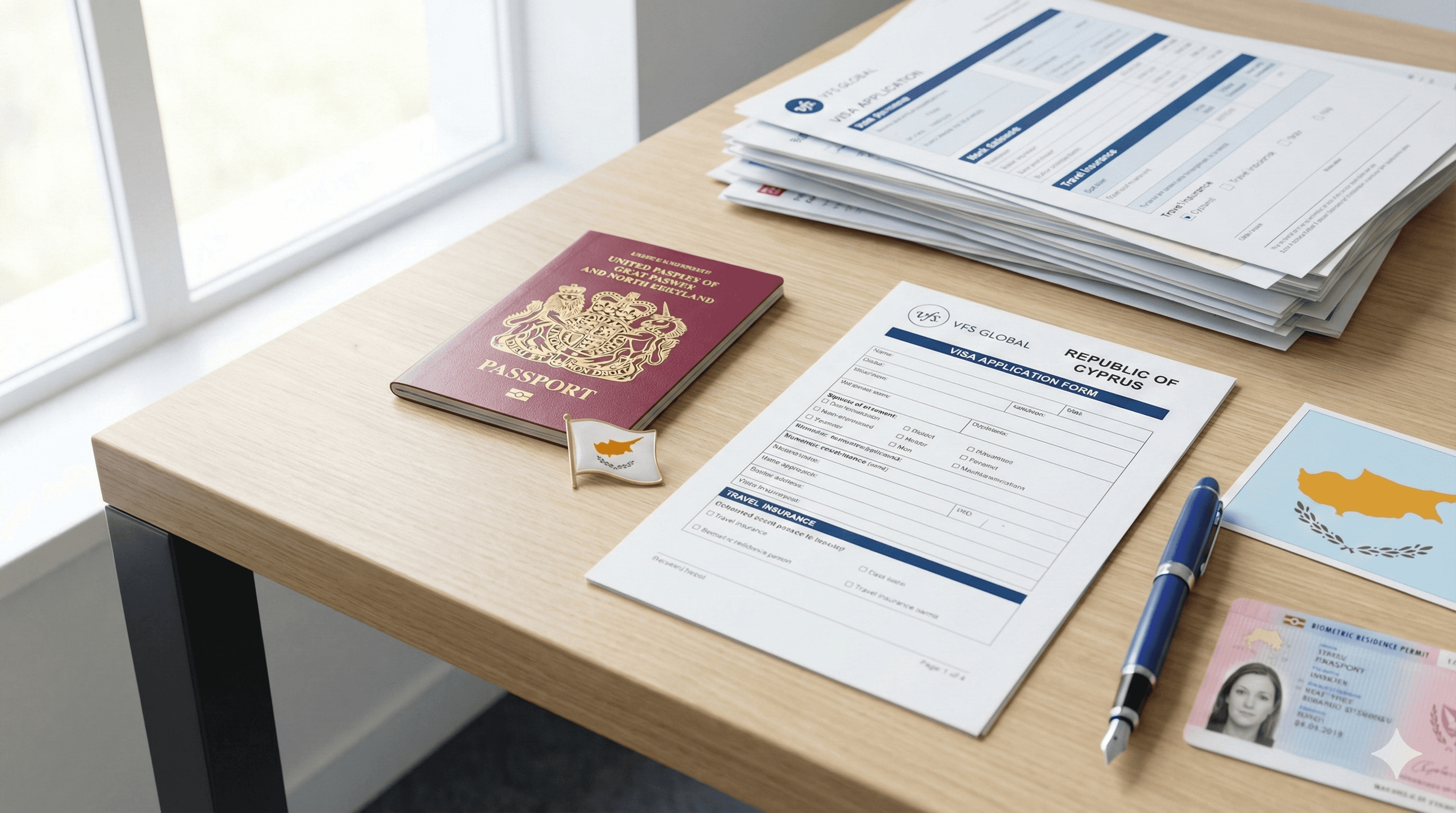
Cyprus Visa from the UK: BRP Holders and Non-UK Passports
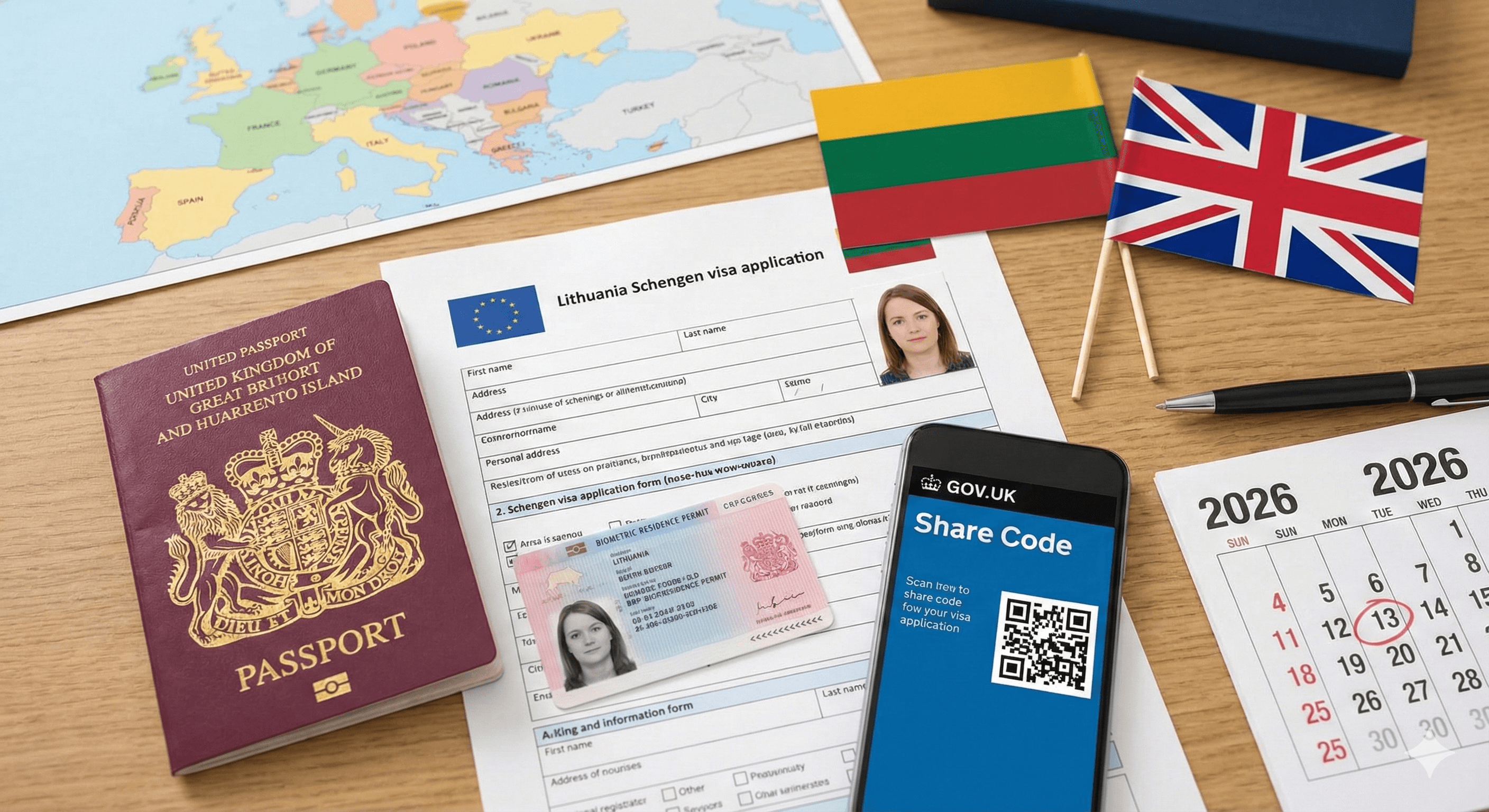
Lithuania Visa from the UK 2026: Documents and Share Code

Iceland Visa from the UK 2026: Documents and Fees

Do You Need a Visa for Finland from the UK? 2026 Rules
Is Bulgaria in Schengen? UK Travel Rules for 2026
Estonia Visa Requirements from the UK 2026

Do You Need a Visa for Croatia from the UK? 2026 Rules